

How Tattoo Case Studies Turn Great Work into More Bookings
Instagram posts are great for short-term engagement. But once they drop off the feed, they rarely keep working for you.
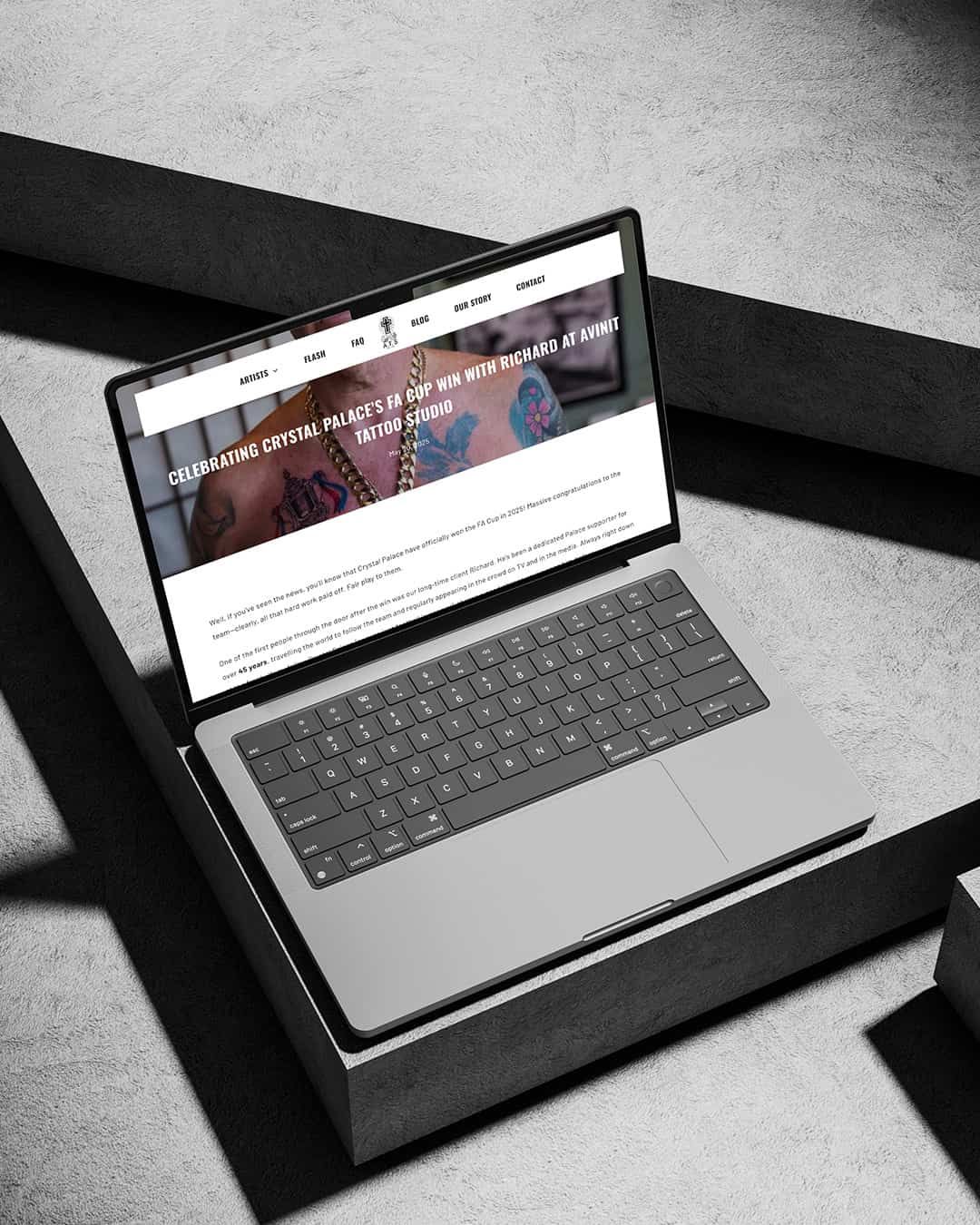
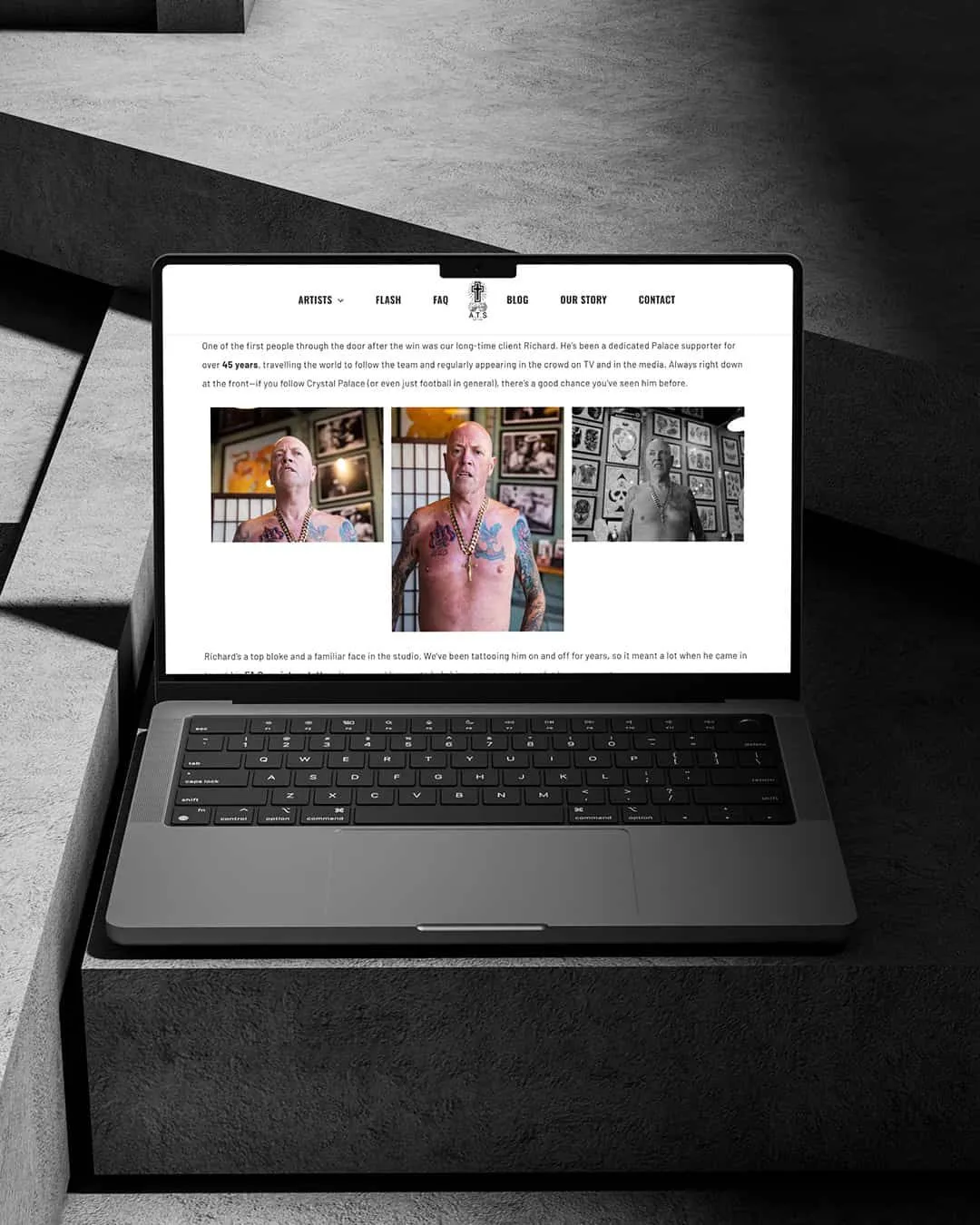
A well-written case study, on the other hand, can bring in bookings for months – through search engines, returning visitors, and long-form content that answers the questions potential clients care about.
If you're only sharing tattoos on social, you're missing a chance to turn your best work into something that builds long-term visibility, trust, and enquiries.
Here’s why they’re worth doing, what to include, and how to tailor them depending on whether you’re a studio or an individual artist.
Why Use Tattoo Case Studies?
- They Build Trust with New Clients: People don’t just want to see the final tattoo – they want to know what it’s like to work with you. Case studies show how you approach briefs, collaborate with clients, and deliver quality. For artists: It shows your style and how you think. For studios: It highlights the professionalism and consistency across your team.
- They Help You Show Up on Google: Search engines prioritise helpful, original content. Case studies let you naturally include search-friendly terms like “realism wolf tattoo” or “fineline chest piece”, which helps your website rank for the kind of tattoos you actually want to book.
- They Give You More to Share: One case study = multiple pieces of content. Break it into carousels, Reels, captions, testimonials, or email content. Studios: Case studies make great newsletter content to highlight your team’s range of work. Artists: Turn them into highlights that show off your niche.
What to Include in a Tattoo Case Study
- The Brief: What was the idea? What did the client ask for or want to express?
- The Design Process: How did you develop the artwork? Did you combine references, freehand, or adapt placement?
- The Session: How long did it take? One shot or multiple sittings? Mention anything that might help future clients prepare.
- The Technical Details: Tattoo styles, techniques used, and placement considerations – especially if anatomy played a role.
- The Healed Result: If possible, include healed photos. This reassures potential clients and shows how well your work holds up.
- Client Feedback: A quick review, DM, or even a comment can go a long way. Studios: Highlight how smooth the full experience was – booking, consultation, aftercare. Artists: Focus on your personal connection with the client and how you brought their idea to life.
What Makes a Good Case Study Worth Writing?
Not every tattoo needs one. Prioritise:
- Larger or more complex pieces
- Tattoos that reflect your niche or favourite style
- Emotional or meaningful work that connects with people
- Projects that often lead to new enquiries (e.g. name tattoos, pet portraits, memorials)
Bonus Tip: Consistency Is Key
Studios:
Feature a different artist each month. It builds team visibility and spreads the
SEO
benefit across multiple artist names and styles.
Artists:
Do one every 4–6 weeks. It adds up quickly, especially if paired with photo updates later down the line.
Final Thought
A portfolio shows the final product. A case study shows the process, and that’s what builds trust and turns interest into bookings.
When done right, it’s not just storytelling. It’s a form of marketing that works quietly in the background, 24/7, with zero ad spend.
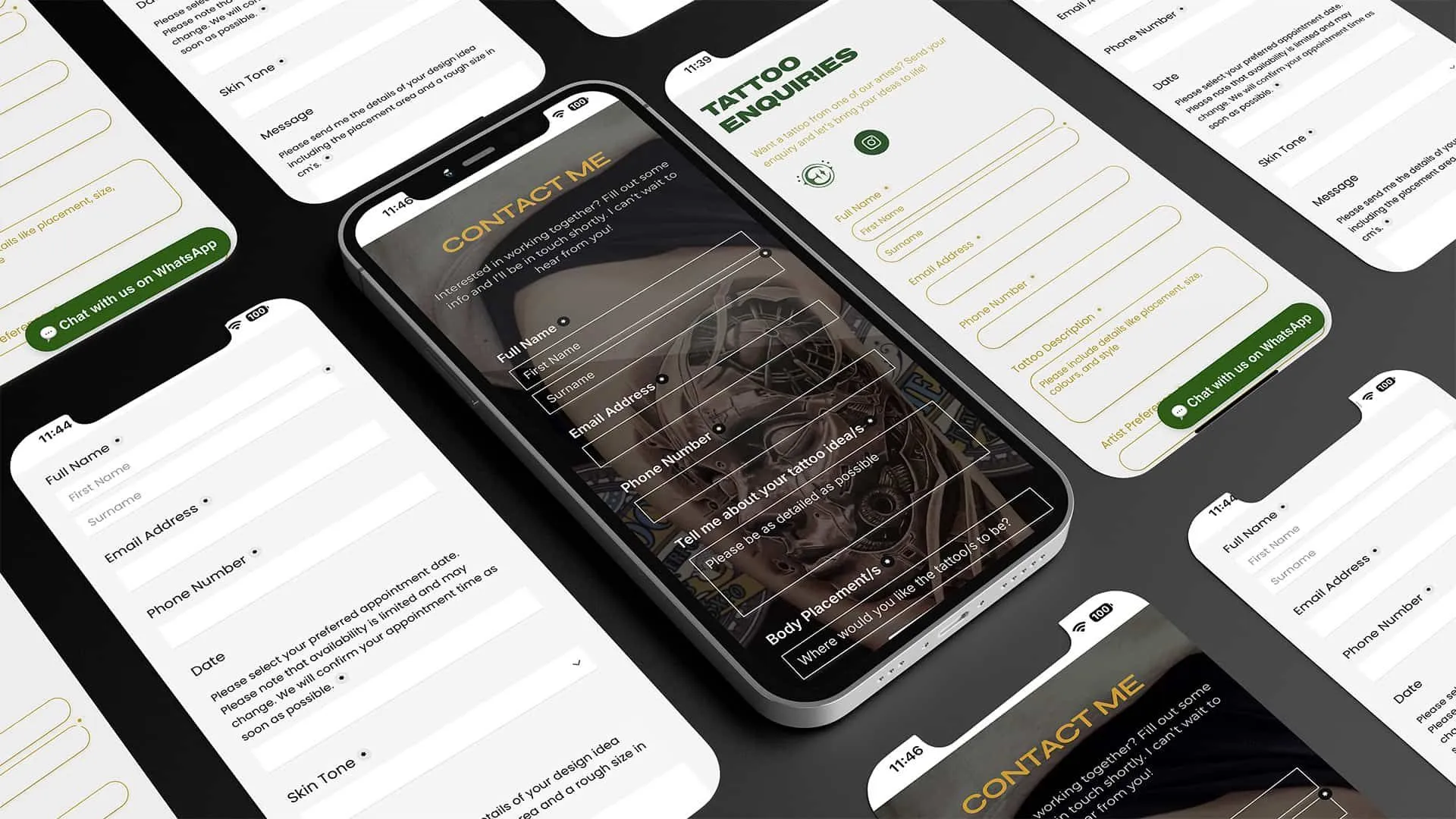
If you’re not sure where to start, or don’t have a platform to publish them, we build websites specifically for tattoo studios and artists, with built-in blog sections. You can write and upload your own case studies, or we can take care of it for you.
Either way, the goal’s the same: help you attract more of the clients you actually want.
Let’s keep in touch.
Discover more about high-performance web design. Follow us on Facebook and Instagram.